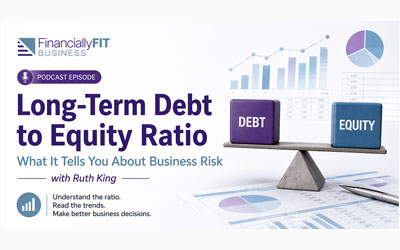
What the Long-Term Debt to Equity Ratio Tells You About Business Risk
In this episode, I explain how to read debt to equity trends, why long-term debt matters more, and what rising ratios may be warning you about.

In this episode, I explain how to read debt to equity trends, why long-term debt matters more, and what rising ratios may be warning you about.
A business can grow for years and still be unprofitable. This story shows how rising revenue masked a pricing problem, until growth stopped and cash flow issues surfaced.
A rising accounts receivable to payables ratio can reflect healthy billing or a collections problem. In this episode, I explain how to tell the difference and what it means for cash flow.

Most business owners didn’t start their company because they were passionate about profit and loss statements. They had a skill, a vision, or a solution to a problem worth solving. But somewhere between the excitement of launch and the grind of growth, the financials become the thing that keeps them up at night.

Checking your bank accounts every day takes less than five minutes and can help you catch fraud, protect cash flow, and avoid costly surprises.
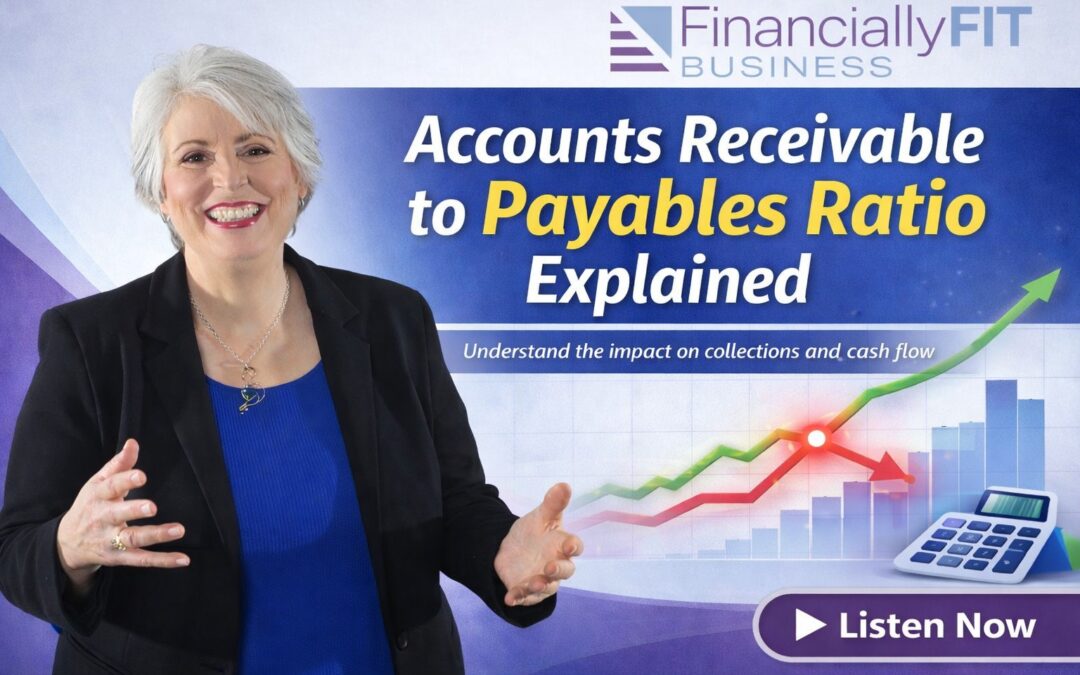
A rising accounts receivable to payables ratio can reflect healthy billing or a collections problem. In this episode, I explain how to tell the difference and what it means for cash flow.
Profitability drives cash flow and long-term business health. Learn five practical steps to improve financial clarity, pricing, job costing, and monthly review so you can spot issues early and build a stronger business.
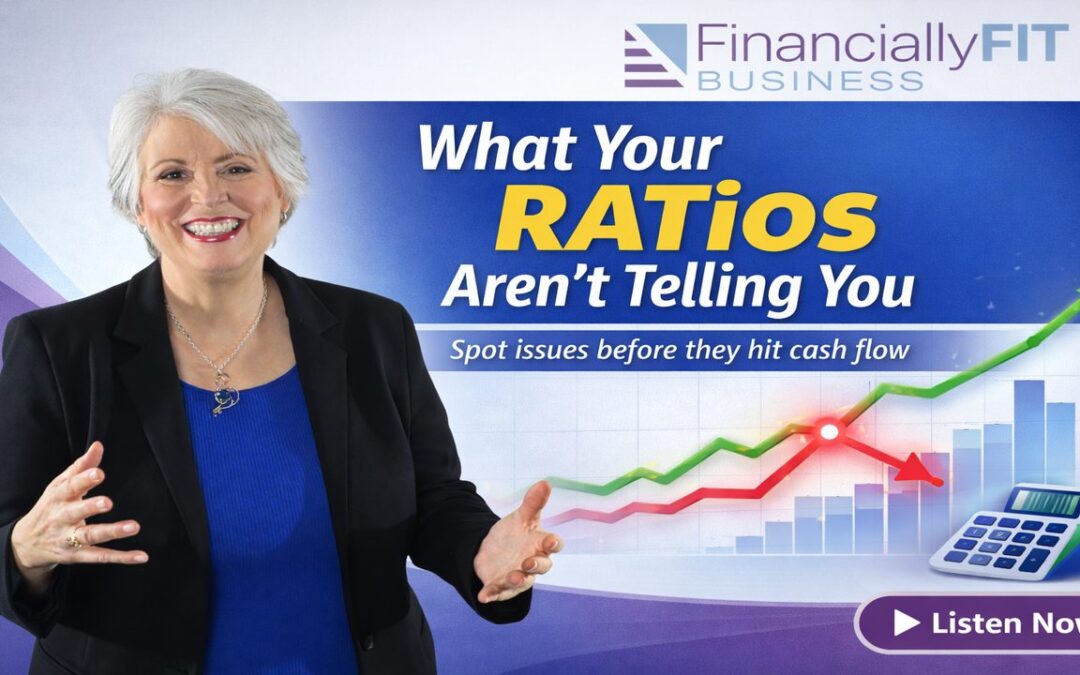
Small shifts in your balance sheet can signal big problems ahead. In this episode, I walk through how current ratio and quick ratio trends reveal profitability, cash flow strength, and hidden inventory issues so you can act before they become serious financial problems.
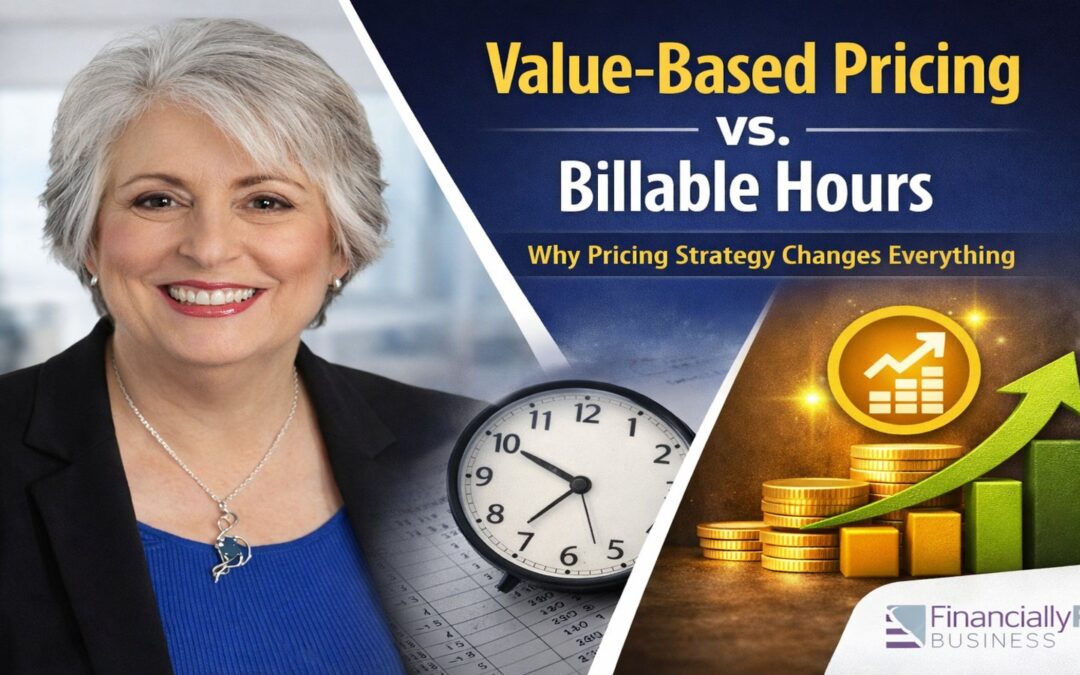
What if billing by the hour is limiting your growth? In this episode, I talk with Dan Lucas about shifting to value-based pricing, improving client relationships, and building a more profitable, scalable firm.
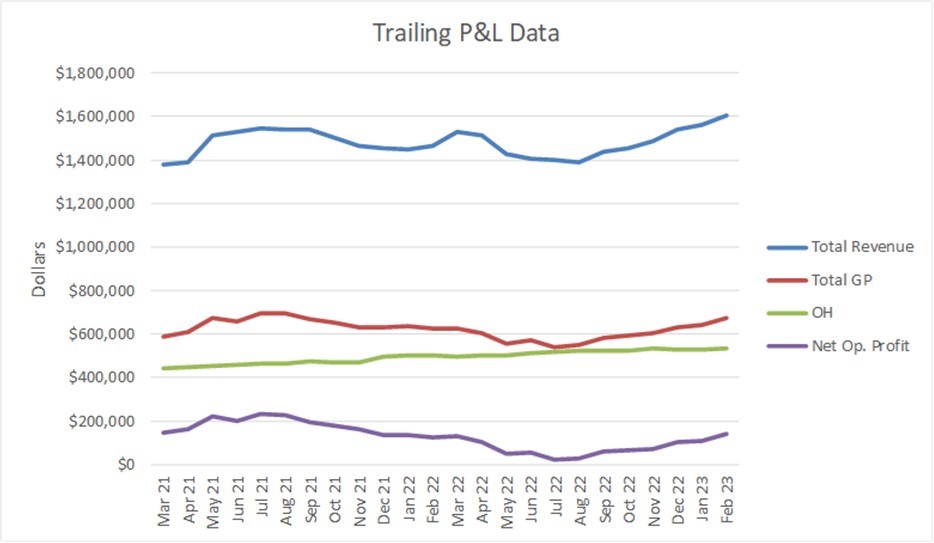
A business owner walked away after a great year, only to return after losses. This real example shows why consistent financial oversight matters, even when things are going well.